

Central Queensland
Outback to Capricorn Coast

Thriver · Central Queensland Expedition
The Great Queensland Road Trip
Year 9-10 · Outback · Dinosaurs · Dark skies · Coast
Fourteen days as researchers on Country: deep time underfoot, labour history in the towns, and a learning journey from the Dividing Range to the Capricorn Coast.
Explore the expedition
For families
A Stage 5 learning expedition - not a sightseeing holiday. Accommodation and travel are in fees. Budget separately for snacks, souvenirs, lunches and some dinners. Exact cohort dates confirmed with families each year.
Why we go
Students practise being crew, not passengers: field research, truth-telling with care, museum critique, fossil science, and a culminating argument for a real audience.
Signature experiences
The moments that define the expedition
These are the days students will talk about for years - highlighted because they sit at the heart of Living School expeditionary culture.

Kronosaurus Korner & fossicking
Eromanga Sea Country: museum giants, then real fossil fossicking - students find marine fossils and keep what they discover.

The Emu in the Sky
Where streetlights end, Aboriginal sky knowledge and Western astronomy meet - a night-sky lab under the Milky Way.

Tree of Knowledge
Barcaldine and the 1891 Shearers’ Strike - birthplace stories of organised labour, read with missing voices restored.


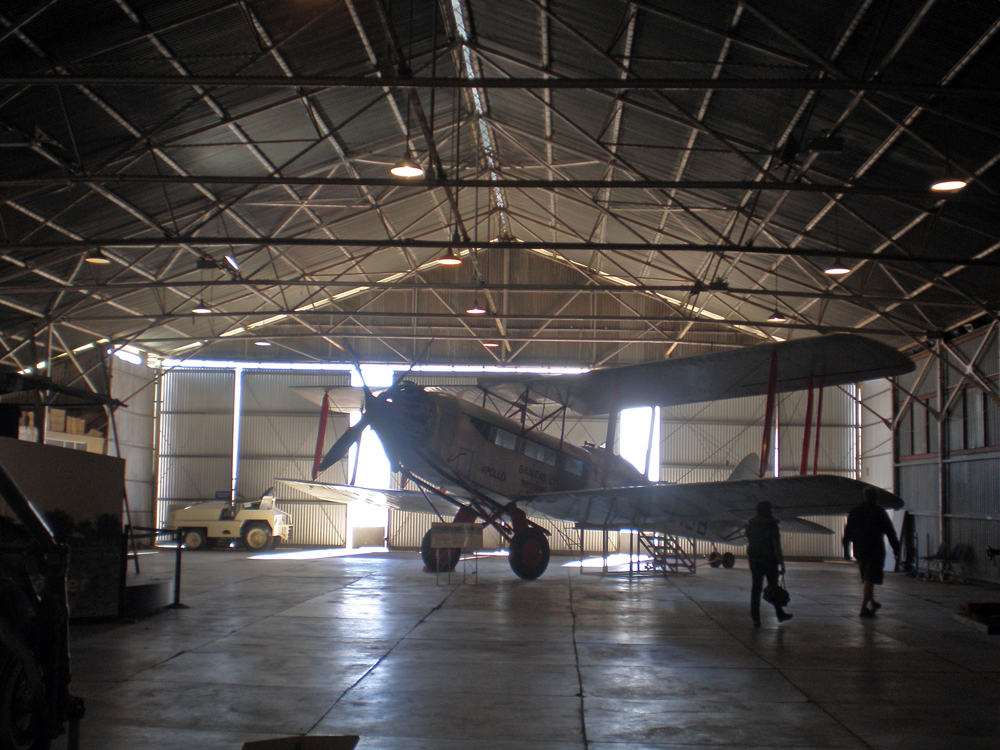

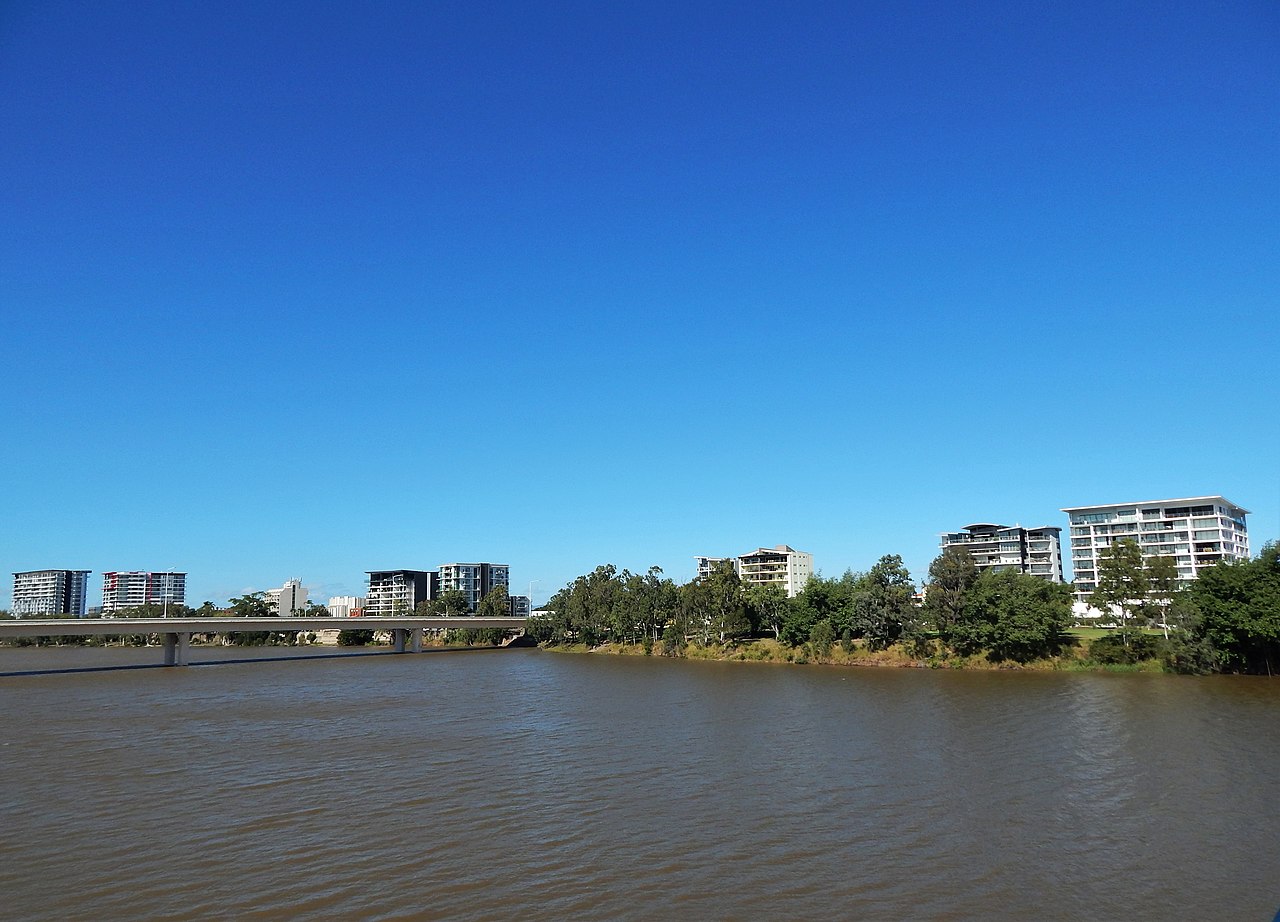


Great Queensland Road Trip · dinosaurs · dark skies · labour history · Qantas · gold towns · Capricorn Coast · on Country
Feature focus · deep time & national myth
Winton: Waltzing Matilda meets dinosaur Country
Winton holds a national song first performed in 1895. Then Richmond delivers the hands-on science highlight: Kronosaurus Korner and real fossil fossicking on Eromanga Sea sediments - students find marine fossils and keep what they discover. Myth, museum and mudstone - held together as researchers on Country.
Academic merits · Stage 5
Learning that earns its kilometres
Every corridor feeds History, Geography, Science and English. Students leave with journal evidence, craft badges, and a culminating argument for people who stayed home.
Geography
Biomes, water & change
Dividing Range to Mitchell grass plains; Great Artesian Basin; irrigation at Emerald; inland-coast contrast at Yeppoon; stakeholder views on CSG, coal and renewables.
Science
Deep time & energy
Rock cycle and fossils; Eromanga Sea; Kronosaurus Korner then real keepable fossicking; energy ethics from Roma gas to Bowen Basin; night-sky observation.
History
Labour, frontier & nation
Shearers’ Strike; pastoral expansion; Qantas origins; gold-rush Charters Towers; ethical source work on frontier violence; Taroom Settlement on the return corridor.
English
Myth, place & voice
Paterson and bush ballad; Waltzing Matilda close-read; place poetry after the red dust; podcast / zine / talk for an authentic audience.
Country
Acknowledgement in action
Barunggam, Iningai, Koa, Wanamarra, Yirandali, Gudjal, Gayiri, Darumbal and neighbouring nations - sky knowledge, water justice, and truth-telling with care.
Character · rite
Thriver · crew
Rotating crew roles, Challenge by Choice stretches, host thank-yous, leave-no-trace, and a culminating exhibition that teaches Year 8s or families.
Hands-on · engaged learning
What makes this expedition exceptional
Not a drive-by tour. Students do the work of researchers: museum before mudstone, hypotheses before searching, specimens catalogued, stories revised for a real audience.
Richmond signature
Find it. Keep it. Explain it.
Kronosaurus Korner first (schema), then supervised fossicking. Students search Eromanga Sea sediments, keep allowed marine fossils, and write a claim-evidence-reasoning card for each keeper.
Field craft
Tools of the trade
Hand lens, zip bags, labels, scientific sketches, night-sky logs, biome transects, museum representation audits, and timed expert interviews with consent.
Crew culture
Roles that rotate
Navigator, Documentarian, Wellbeing watch, Inquiry captain, Host diplomat. Night campfires: claim, wonder, next step, gratitude. Challenge by Choice for stretch without shame.
Sun & Country smart
Field safety is curriculum
Hydration discipline, shade plans, sturdy footwear on fossick ground, leave-no-trace digging, working dogs left alone, and truth-telling with opt-out dignity.
Authentic audience
Teach someone who stayed home
Culminating podcast, zine, talk or film, plus a home exhibition of kept fossils with proper labels. Year 8s and families become the jury.
Regional respect
Hosts and towns matter
Thank-yous to museums and fossick hosts, buy local where briefed, support regional Australia with courtesy, and credit community voices accurately.
A Living School learning journey
The Great Queensland Road Trip is a Stage 5 threshold across Country, deep time, energy and identity. Students travel as a crew, collect real evidence, practise respectful truth-telling, and come home ready to teach someone who did not travel - high-quality work for an authentic audience.
The arc
From the Northern Rivers to Capricorn - and home
West into grain and gas country, deeper into wool, water and labour history, north through dinosaur Country and gold rush towns, east to the coast, then south with responsibility.
The trek
See the corridor
A sealed-highway coach expedition with purposeful stops - museums, field sites, dark skies and coastal recovery - designed for learning depth, not kilometre trophies.
Interactive route reference for families: Google Maps · Central Queensland corridor. Pair with the AIATSIS Map of Indigenous Australia for Country learning.
Phase A-B
Divide → wool & labour
Western Downs · Roma · Charleville · Barcaldine · Longreach
Biome transect across the Range; energy country and dark skies; Barcoo water stories; Shearers’ Strike and Tree of Knowledge; Qantas and Stockman’s Hall of Fame - celebrate and critique.
Phase C
Myth → deep time → inland sea
Winton · Richmond · Kronosaurus Korner
Waltzing Matilda as contested national story; then the signature science day at Richmond - Kronosaurus Korner and real fossil fossicking where students find marine fossils and keep them.
Phase D-F
Gold · resources · coast · return
Charters Towers · Emerald · Rockhampton · Yeppoon · Taroom
Boomtown streetscape detective work; dam, cotton and coal systems hearing; Capricorn Coast contrast and culminating studio; homeward truth-telling via Taroom with care and responsibility.
Planned programme · confirmed each cohort
Day-by-day learning journey
Stage 5 Central Queensland · ~14 days. Overnight venues and exact calendar dates are confirmed with families before departure. This table is the learning spine students carry in their field journals.
- Group
- Stage 5 crew & staff
- Mode
- Coach expedition
- Depart
- Lismore / Northern Rivers
- Return
- Lismore
For families
Safety & culture designed in
- Crew structure Small crews with rotating roles and a Night 1 charter.
- Challenge by Choice Nested stretches; panic is a step-out, not a failure.
- Digital detox Phones held by staff; science tools on timed release.
- Fossick field rules Supervised searching, site limits on keepers, hydration and sun smart always on.
- Truth-telling protocol Hard histories supervised; opt-out with dignity.
- Host respect Working dogs untouched; consent before photos; leave-no-trace.
Included in fees: accommodation & travel (as confirmed each cohort). Family budget: snacks, souvenirs, lunches & some dinners. office@living.school · (02) 5632 1218
VAST · Thriver · rite of passage
Character on the road
- Values Respect for Country · Responsibility · Relationships
- Attitudes Resilience · Curiosity · Intellectual humility
- Skills Field research · Collaboration · Critique
- Trust In self, peers and staff - earned daily
- Literacy Daily journalling · culminating authentic audience work
- Threshold Come home ready to teach - not only to tell
Pack light. Pack curious.
Student packing list
One soft duffel (~60 L) + daypack. Label everything. Inland nights can be cold; coast adds humidity.
Sleep & shelter
- Sleeping bag (rating per cohort brief)
- Sleeping mat / roll
- Compact pillow
- Head torch + spare batteries
Clothing
- Sun hat · SPF shirt · walkers
- Warm layer · rain shell
- Quick-dry tops · pants · shorts
- Socks & underwear (wash on trip)
- Swim / coastal layer if briefed
Personal & camp
- Toiletries · towel · sanitiser
- SPF50+ · lip balm · insect repellent
- Medications labelled + devices
- 1 L+ water bottle · mess kit
Learning / daypack
- Field journal (issued) · pens · pencils
- Reading book for coach legs
- Sunglasses · small cash/card
- Optional: coloured pencils for sketches
Richmond fossick kit
- Sturdy closed shoes (no thongs on the field)
- Hand lens / magnifier if you have one
- Zip bags · permanent marker for labels
- School issues specimen cards on site
Leave home: excess snacks, valuables, gaming devices, aerosols, knives, anything banned under school policy. Soft bags only. Fossicking tools are supervised and site-approved only.
Place photographs via Wikimedia Commons (illustrative of the corridor). Living School logos © Living School. Upload cohort photography to the Living School media library when available and swap URLs in this embed. Pair with AIATSIS Map of Indigenous Australia for Country acknowledgement. Route map: Google Maps.